FIghting for a safer west virginia for 30+ years
Personal Injury & Consumer Rights Attorney in Morgantown, WV
Get a Free, No-Obligation Consultation Today. We're Here to Help.
Mehalic Law operates on a contingency-fee basis. You never pay us until you collect on your claim.
Contact Mehalic Law For a Free Consultation
Why Work With Mehalic Law?
After four decades as a West Virginia personal injury lawyer, Jeffrey Mehalic has the skills, the knowledge, and the experience to get you the compensation you deserve. With a passion for helping injured people and defrauded consumers, Mehalic Law stands ready to fight for the best possible outcome in your personal injury claim or consumer law case.
Personal Injury
Have you been involved in a car accident, slip and fall, or premises liability incident? You deserve a Morgantown, WV litigator who is prepared to seek full compensation on your behalf. With personal injury cases, I work directly with insurance companies, investigating every avenue of financial recovery to get you maximum compensation.
Consumer Law
Have you been the victim of fraud? This could include a defective vehicle or product, a defective or abandoned construction project, or illegal debt collection. I am proud to represent clients who have been misled into buying defective products, or who have otherwise been defrauded by a person or business.
Consumer Law
What is Consumer Law?
Broadly speaking, consumer law is an area of legal practice that protects people from unfair trade or business practices. This includes false advertising, phone and email scams, predatory lending practices, and unlawful debt collection efforts, and fraudulent advertising of consumer financial products (including credit cards, car loans, and mortgages).
Consumer law cases can include:
- Unfair debt collection measures
- Deceptive or fraudulent sales, including real estate transactions and car purchases
- Defective construction projects, including substandard materials and labor
- Fraudulent advertising of goods and services
Consumer law is a critical part of keeping our country safe; it supports both housing and economic security, and prevents overly opportunistic people from taking advantage of hardworking West Virginians.
As one of the few attorneys in Martinsburg, West Virginia who focuses on consumer protection law, Mehalic Law stands ready to help with any legal issues arising from consumer law cases.
Have you been the victim of fraud?
False advertising, identity theft, unfair debt collection, shady business practices: most of us know someone who has fallen victim to consumer fraud. Fraud can happen to anyone. Maybe it has even happened to you! Examples of consumer fraud include:
- A “bait and switch” scheme for a vehicle or a home;
- A contractor who you paid up front, and who then “ghosted” you or failed to complete the project
- A debt collection agency that fails to follow West Virginia laws when attempting to collect on their debts
Many people have been the victims of fraud, but do not realize it—or do not realize that there are ways to recover what they have lost.
What do I do if I am a victim of fraud?
If you feel you have been the victim of fraud, the first thing to do is to seek legal representation. Call Mehalic Law at (304) 346-3462 for a free consultation of your case.Common Consumer Law Cases
- Homeowners who have been defrauded in their purchases by the sellers and/or real estate agents.
- Car owners whose new or used car turned out to be a “lemon”, costing more in time and money than they were led to expect.
- Contractor customers who have hired a company or individual to construct their homes and who have been victimized through neglect or misrepresentation.
- Debt collection harassment victims who are tired of getting badgered by third-party collections agencies.
- Consumers with credit reporting errors who are not able to remedy the situation without legal intervention.
- Victims of identity theft, including security data breaches that compromise their personal information.
We will explore a few of these case types below.
“Lemon Law” Car Cases
It’s the worst-case scenario: after you buy a new or used car, your vehicle breaks down and requires hundreds or even thousands of dollars to repair or replace. Lemon law car cases rarely carry just the financial burden of repairing or replacing the car; they can also result in wage loss, daycare expenses, and a hefty mental and emotional toll.
Fortunately, there is a solution.
West Virginians are protected from such costs under state and federal statutes for warranty protection through the West Virginia Consumer Credit and Protection Act and the Magnuson Moss Warranty Act. For any cases involving fraud in vehicle sales—cars, trucks, RVs, et cetera—you may be entitled to recover what you lost, at no additional cost to you. This statute applies to new and used vehicles, including those sold “as is.”
Call Mehalic Law to discuss your “Lemon Law” case: (304) 346-3462.
Defective/Abandoned Construction
Homeowners hire contractors in good faith; they expect that the hard-earned money they pay—often up front—will go toward high-quality construction work. Sadly, far too many contractors exploit homeowners’ trust by cutting corners, using subpar materials, and displaying shoddy workmanship.
Contractors will also exaggerate their costs to take a larger draw from the bank, maximizing their profits by minimizing their costs. From poor reinforcement and delayed projects to workmanship that does not meet building code, greedy contractors can manipulate any project for their personal gain.
When a dispute occurs between the contractor and the customer, the contractor may simply abandon the project and move on to their next victim, leaving the customer to finish the work using someone else. Sometimes the bank will loan the customer more money—but other times, these costs must come out of the customer’s pocket.
Either way, you shouldn’t have to pay.
Mehalic Law specializes in holding construction companies and contractors accountable for defective and abandoned construction projects. The bank can also be liable in some cases, lending institutions are supposed to get proof from the contractor and the builder that the project is at a particular stage of completion; when they fail to do so, they expose you to financial risk.
If you have been defrauded by a contractor or builder, Mehalic Law is here to help. Call us to discuss your case: (304) 346-3462.
Unfair Debt Collection
Debt collection is big business. Many types of commercial debts—credit card debt, car loans and so forth—can be bought by third-party debt collectors, and relentlessly pursued.
You may be experiencing unfair debt collection in the form of harassing phone calls, threatening emails, and incessant letters reminding you that your account is past due. In some cases, debt collection action violates the Federal Trade Commission’s Fair Debt Collection Practices Act (FDCPA), and/or the West Virginia Credit Protection Act.
ATTORNEY TIP:
Whether or not you owe the debt is not relevant to your case. Even if you owe the money, the debt collector must follow the law. Your debt collection case is based entirely on how that debt is being collected.
Mehalic Law represents people who have been harassed or sued over their debt in a manner that violates these statutes. Depending on how the debt has been collected, there may be grounds to file a case against both your creditor and the debt collector on the basis of unfair collection practices.
DID YOU KNOW …
In most cases, the end result of the debt collection action is to get your debt greatly reduced or erased completely.
Credit Reporting
One subset of unfair debt collection cases involves the hit your credit might take as a result of these practices.
Your consumer protection also extends to your credit score, which is protected under the Fair Credit Reporting Act, as well as the West Virginia Consumer Credit and Protection Act. If your credit score has been compromised and the lending agencies and/or credit reporting agencies refuse to help, you have the right to retain an attorney.
Usury Laws
“Usury” is a word that describes the illegal practice of lending money at an unreasonably high interest rate. Fortunately, West Virginia has laws to protect you from this.
People with poor credit may be led to believe that their own option is taking out a loan huge fees or high rates of interest; this commonly involves cars that have rebuilt titles, rust damage and/or flood damage.
DID YOU KNOW…
Even if you agreed to a loan at a high interest rate, or bought a vehicle “as is”, you still have recourse.
Used car dealerships are notoriously deceptive about your rights as a consumer; they may offer you a loan with terms that are wildly unfair to you. In some cases, annualized interest rates may be upwards of 25%; customers take out an $8,000 loan, but pay over $30,000 over the loan term. This creates multiple opportunities to default on the loan.
To speak to Jeffrey about your consumer protection case, call (304) 346-3462, or submit this simple intake form. He will be in touch very soon.
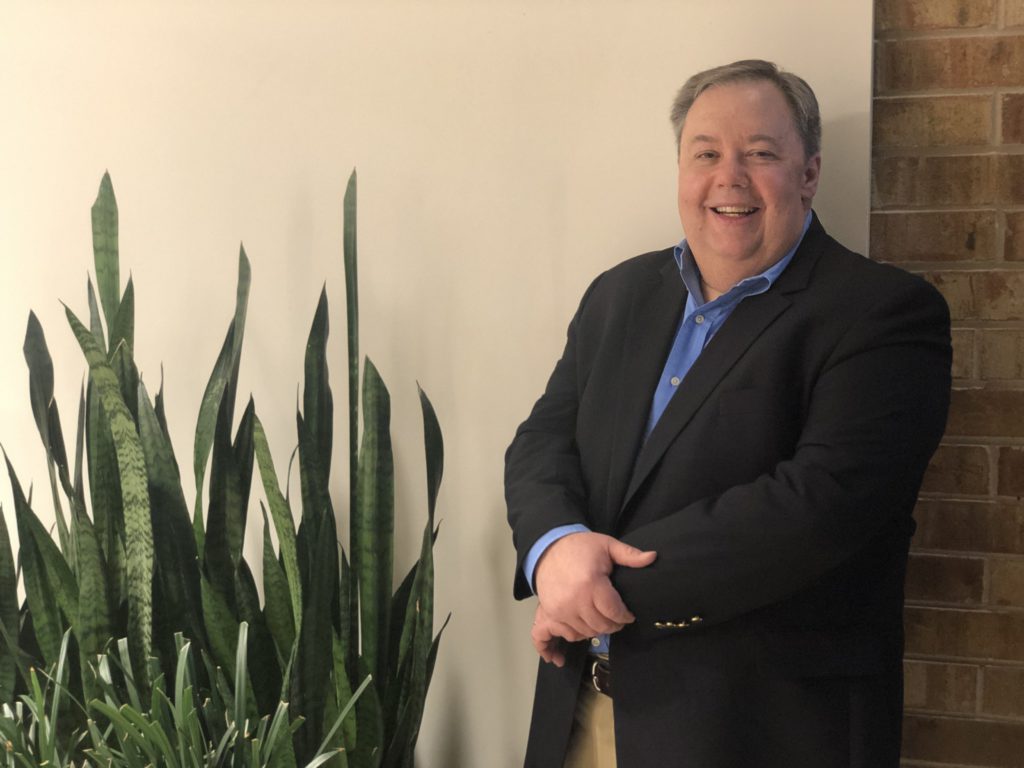
Meet Jeffrey Mehalic, West Virginia Consumer Protection & Personal Injury Attorney
As a West Virginia consumer protection lawyer, it is my honor to represent individuals who have been deceived and defrauded. Whether it’s a shady used-car business, an abandoned construction project, or a debt collection harassment situation, or a data breach that compromises your personal information, I’m here to stand by your side until you get the compensation you deserve.
As an attorney in Morgantown, WV, my goals remain the same to keep people safe from unfair consumer practices. I strive to keep my clients informed about their case, cared for during the process, and compensated to the maximum degree allowable under West Virginia law. I believe that every West Virginian has the right to full, fair compensation after being defrauded.
Thank you for trusting me with your consumer protection case. It is truly an honor to serve you.
-Jeffrey Mehalic, 2024

Personal Injury
It happens in an instant: a motor vehicle crash, slip and fall, or fatal accident. In that moment, your life can change forever. If you have been injured in a motor vehicle accident or slip and fall case, or if you have lost a loved one in a fatal incident that was the fault of someone else’s negligence, call Mehalic Law, your West Virginia personal injury lawyer, to learn about your rights.
What is Personal Injury?
A personal injury case is a civil action involving an incident that caused you harm, a negligent and responsible party, and provable damages resulting from said incident. In layman’s terms, personal injury law involves suing reckless drivers, negligent business owners, and irresponsible companies to recover what their actions took from you.
Personal injury law encompasses car accidents, wrongful death, premises liability (including “slip and fall” cases), medical malpractice, birth injury, and so forth. A positive outcome from a personal injury case may involve compensation for past and future medical bills, wage loss, pain and suffering, and other expenses.
“Do I have a personal injury case?”
Your personal injury case depends on three things: proving that a person or business was negligent, proving the extent of your injuries, and proving that your injuries were caused by another person’s behavior.
West Virginia personal injury attorneys are required to follow state law when bringing your claim. This may involve interviewing witnesses, collecting evidence, requesting documents from your insurer, doctor, and opposing counsel, and understanding the laws that must be applied to your case.
The best way to determine if you have a case is to call Mehalic Law at (304) 346-3462. We offer free, comprehensive consultations for all personal injury matters.
What To Do After a Motor Vehicle Accident
Get medical attention immediately. It is important to do so even if you feel fine, because this establishes a baseline of health and medical care. Some injuries do not present for days or even weeks after the accident—and your insurance company will use this fact to their advantage when evaluating your claim.
Collect evidence and begin your insurance claim. From photos at the scene and eyewitness information to medical reports and police records, the more information you can collect after your case the better. Next, contact your insurance company and begin your claim. This process may take a while, so it is advisable to start it as early as possible.
Call an attorney and discuss your case. Time is of the essence here; as more time passes, it will be harder to collect evidence, track down witnesses and follow up on your case. In extreme cases, delaying action on your claim may render the claim unactionable. The statute of limitations for personal injury claims in West Virginia is generally two years after the date of injury.
The best way to determine if you have a case is to call Mehalic Law at (304) 346-3462. We offer free, comprehensive consultations for all personal injury matters.
IMPORTANT NOTE:
NEVER accept an insurance settlement without talking to an attorney.
Common Personal Injury Cases
Motor Vehicle Accidents
If you have been injured in a car, truck or motorcycle accident, you need an experienced West Virginia personal injury lawyer in your corner. We welcome clients from Morgantown, Wheeling, Martinsburg and all across West Virginia.
- Car Accidents
- Commercial Truck Accidents
- Bus Accidents
- Motorcycle Accidents
- Pedestrian Accidents
- ATV Accidents
Premises Liability
“Premises liability” is the area of law involving accidents on someone else’s property, whether in a private home, in a business or restaurant, or at another type of public facility. When you are hurt on someone else’s property, and you can show that poor maintenance, negligence or inattention caused your injury, you may be able to receive compensation from the property owner through their insurance.
We may be able to pursue a premises liability case on your behalf by on the grounds of any or all of the following considerations:
- Adequate lighting systems
- Security guards and railing
- Staircase railing
- Properly coded residential dwellings
- Non-slip surfaces
- Building access controls
- Anti-theft and alarm systems
- Bullet-resistant enclosures
- Proper staffing during high-risk hours
- Appropriate usage of signs and placards
- Established protocols for cleaning up spills
- Appropriate training for handling dangerous goods
Wrongful Death
How do you put a price on the preventable death of a loved one? The truth is, no amount of money will take away your loss or provide you with the future you pictured. We offer our heartfelt sympathies to anyone grappling with grief from the wrongful death of a loved one.
Wrongful death cases can absolutely help right the wrongs in tangible ways, particularly if you are left on shaky financial footing after the loss of a loved one. Wrongful death cases can not only recover financial damages, but also seek justice for the persons lost. Legal actions establish a precedent so negligent parties will think twice before putting another person’s life at risk.
Mehalic Law is prepared to seek justice on behalf of spouses, children, parents, siblings and/or anyone who was financially dependent on the decedent. Through careful, compassionate work, we have recovered compensation for your loved one’s pain and suffering, lost income and medical expenses. Additionally, we can help with monetary recovery for your sorrow and mental anguish, your loss of companionship, loss of income, as well as expenses related to funeral and burial.